Is an in-house SEO team still the gold standard in 2026?
For years, the conventional wisdom was to build your own team from the ground up. But the game has changed.
The world of search engine optimization is more complex than ever before. With the rise of AI-driven SEO, constant algorithm changes, and the ever-increasing competition for online visibility, it’s becoming more difficult for businesses to keep up. That’s why so many smart companies are starting to outsource SEO.
But when do you know it’s time to outsource? And once you know, how do you do it?
This guide will walk you through the ins and outs of outsourcing SEO in 2026. We’ll break down the ROI, identify the key triggers for making the switch, and show you how to find the right partner to help you achieve your growth goals in the era of artificial intelligence.
Highlights
- The true cost of an in-house SEO team can be more than double the cost of outsourcing to a specialized agency.
- Outsourcing SEO gives you instant access to a team of proven experts with a track record of success.
- Key triggers for outsourcing include growth plateaus, resource constraints, and the need for specialized expertise.
- A hybrid model, where you outsource specific SEO services, can be a great way to get the best of both worlds.
- The right SEO partner will be transparent, communicative, and focused on driving real business results.
DIY vs. in-house vs. outsourced SEO: A head-to-head comparison
When you’re deciding how to manage your search engine optimization (SEO) and grow your organic presence, the choice often boils down to three paths:
- Doing it yourself
- Building an in-house team
- Partnering with an SEO agency
Each path has distinct advantages and disadvantages related to cost, speed, and expertise. Here’s a quick breakdown of the key differences.
| Feature | DIY SEO | In-House Team | Outsourced SEO Agency |
| Cost Structure | High opportunity cost (your time) + tool costs | High fixed costs (salaries, benefits, tools) | Predictable monthly retainer |
| Speed to Impact | Slowest due to steep learning curve | Slow (hiring, training, ramp-up time) | Fastest (immediate access to experts & tools) |
| Expertise | Limited to your own learning and research | Limited to the knowledge of your hires | Access to a diverse team of specialists from day one |
| Scalability | Not scalable; limited by personal bandwidth | Difficult; requires new hires to scale up | Easy; agency resources scale with your needs |
| Focus | Diverts focus from core business activities | Can be pulled into other internal tasks | 100% focused on SEO deliverables |
| Control | Total control, but with a single perspective | High direct control over daily tasks | Less direct control, more strategic oversight |
This table provides the ‘what.’ Understanding these general trade-offs is crucial to making a decision. However, the real question is why and when to choose one over the other. Choosing correctly depends on understanding the real-world costs and strategic triggers we’ll cover next.
The DIY SEO trap
I talk to entrepreneurs all the time, and I get it. The temptation to learn and handle SEO yourself to save money is strong. But from what I’ve seen, this is almost always the slowest and least cost-effective route in the long run. It also leads to frustration.
According to Constant Contact, only 18% of small business owners in 2025 felt confident in their marketing. Worse, 23% say their number one frustration is not knowing what’s driving results and what’s hurting them. If you DIY your SEO without proper training, your actions might fall in the latter group.
Another big issue is opportunity cost.
Every hour you spend trying to decipher Google Analytics, learn the nuances of keyword research, or figure out on-page optimization is an hour you aren’t spending on your core business:
- Improving your product
- Talking to customers
- Making sales
You’re also still on the hook for expensive SEO tools. However, without the deep expertise to squeeze every drop of value from them, you’re paying a premium for features you can’t fully leverage.
Ultimately, DIY SEO often leads to slow progress and burnout, making it a trap that stalls growth rather than accelerating it.
The hidden costs of building an in-house team
So, what’s the next alternative after you realize DIY isn’t sustainable?
Building an in-house SEO team.
At first glance, this is the logical step up for a growing business. However, when you examine the numbers, the actual cost is often significantly higher than anticipated.
Let’s say you build a lean three-person team:
- An SEO Manager with good technical skills
- A Content Strategist or Editor
- A Link Building Specialist
How much do you think that’ll cost you?
Here are some estimates based on different verifiable sources.
| Position | Median/Average Salary | Salary Range |
| SEO Managera | $79,100 | $53,000–$117,000 |
| Content Editorb | $75,000 | $51,800–$101,100 |
| Entry-level Link Builderc | $62,000 | $47,000–$82,000 |
Sources: aPayscale; bUSBLS; cGlassdoor
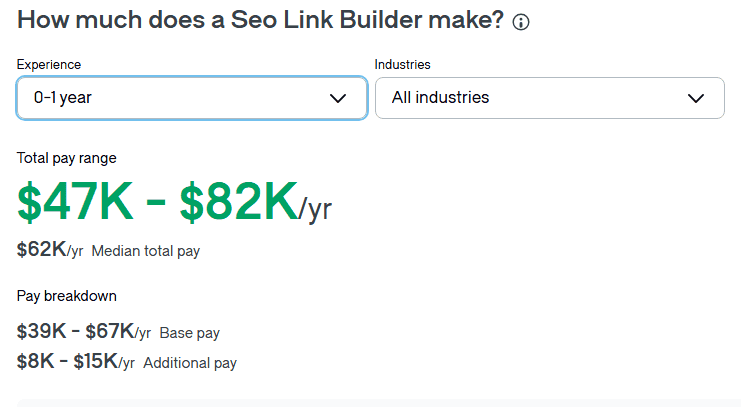
Based on these figures, the total combined median salary for this lean SEO team would be $216,100 per year, with a range of $151,800–$300,000, depending on experience and location.
But that’s just the beginning.
You have to factor in:
- Benefits (typically around 30% of salary)
- A full suite of SEO tools
- Recruitment costs
- Overhead
When you add it all up, the true cost of an effective in-house team can easily exceed $300,000 per year. Even if you go the minimalist route and hire a single SEO Manager to handle everything, you’re looking at a bare minimum of around $100,000 per year.
The value proposition of hiring an SEO service provider
Now, let’s compare that to partnering with a professional AI SEO agency.
At uSERP, we offer three plans for different use cases.
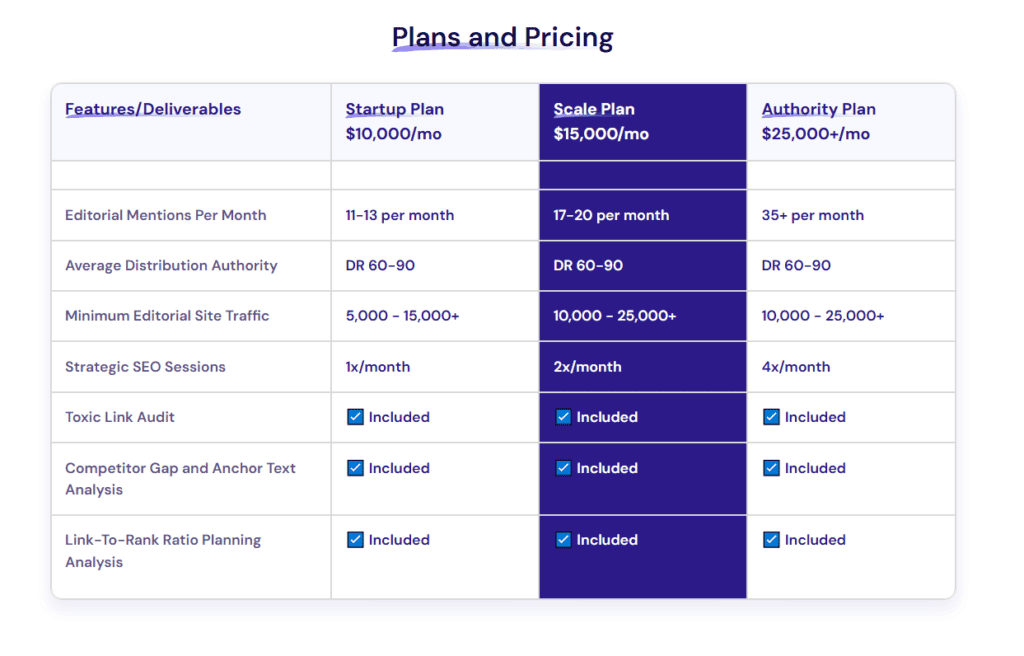
By now, you might be thinking: Ok, the minimum I’ll spend by outsourcing SEO here is $120,000 per year.
If I’m a small business, I’d rather:
- Pay for a full suite of professional SEO tools ($6,000–$12,000 per year)
- Hire a single SEO Manager for around $80,000 annually
- Pay for overhead, onboarding, training, etc.
- And save about $20,000 per year
It’s true, but there’s a twist: You’re spending around $100,000 on one person. Our retainers provide access to a full team of specialists—from technical SEO experts to content creation professionals and link builders. All of this without:
- The stress of researching, vetting, trying, and choosing SEO and link-building tools
- Spending HR management resources keeping your SEO happy
- Worrying about employee benefits or bonuses
- Management overhead
- Stress of recruiting
But it’s not just about cost savings. It’s about results.
Agencies live and breathe search engine optimization. Our teams already developed the processes, built the relationships, and invested in the tools to get the job done right. It’s a team that can start delivering results from day one.
The ROI equation: Speed, expertise, and scalability
When you factor in the speed, expertise, and scalability that come with outsourcing, the ROI becomes even clearer.
Let me show you what I mean by real numbers.
Nav, a business finance company, hired uSERP to formulate an SEO strategy to outrank its key competitors. In just a few months, Nav was ranking #1 for “business credit cards,” a highly competitive keyword.
I can’t begin to tell you how competitive the SEO landscape in finance is. This particular keyword has a keyword difficulty (KD) of 74/100, according to Semrush.
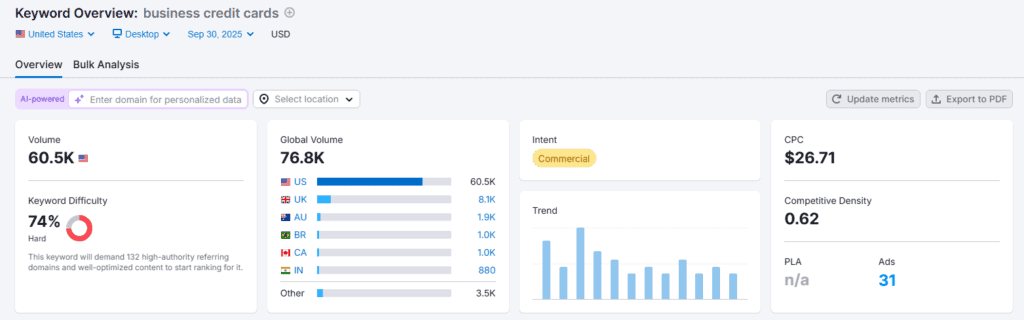
The result was an increase in monthly revenue of $140,000, for an ROI of 1,300%. We have tons of other case studies like this one that prove the point.
If you had to build an in-house team from scratch, pulling this off in just a few months would be unrealistic.
When is it time to outsource your SEO strategies?
If you’re reading this, you’re considering investing in SEO for the first time. However, you may have already begun your in-house SEO journey and are now considering outsourcing instead.
So, when is it time to make the switch?
While every business is unique, there are a few common triggers that I’ve observed repeatedly over the years of my consulting experience.
#1. Your growth has plateaued, and you need to boost online visibility
It’s a common story: You’ve been chugging along, seeing steady organic growth, and then you hit a wall:
- You’re unsure what to do next
- Your search rankings stagnate
- Your traffic flatlines
This is often a sign that you’ve outgrown your current SEO tactics and strategy. In this case, bringing in an outside perspective can be just what you need to break through the plateau.
#2. You’re spending more time on SEO activities than on your core business
As a founder or marketer, your time is your most valuable asset. If you’re spending more and more of it on routine SEO tasks like keyword research, content briefs, and outreach, it’s a clear sign that you need to delegate.
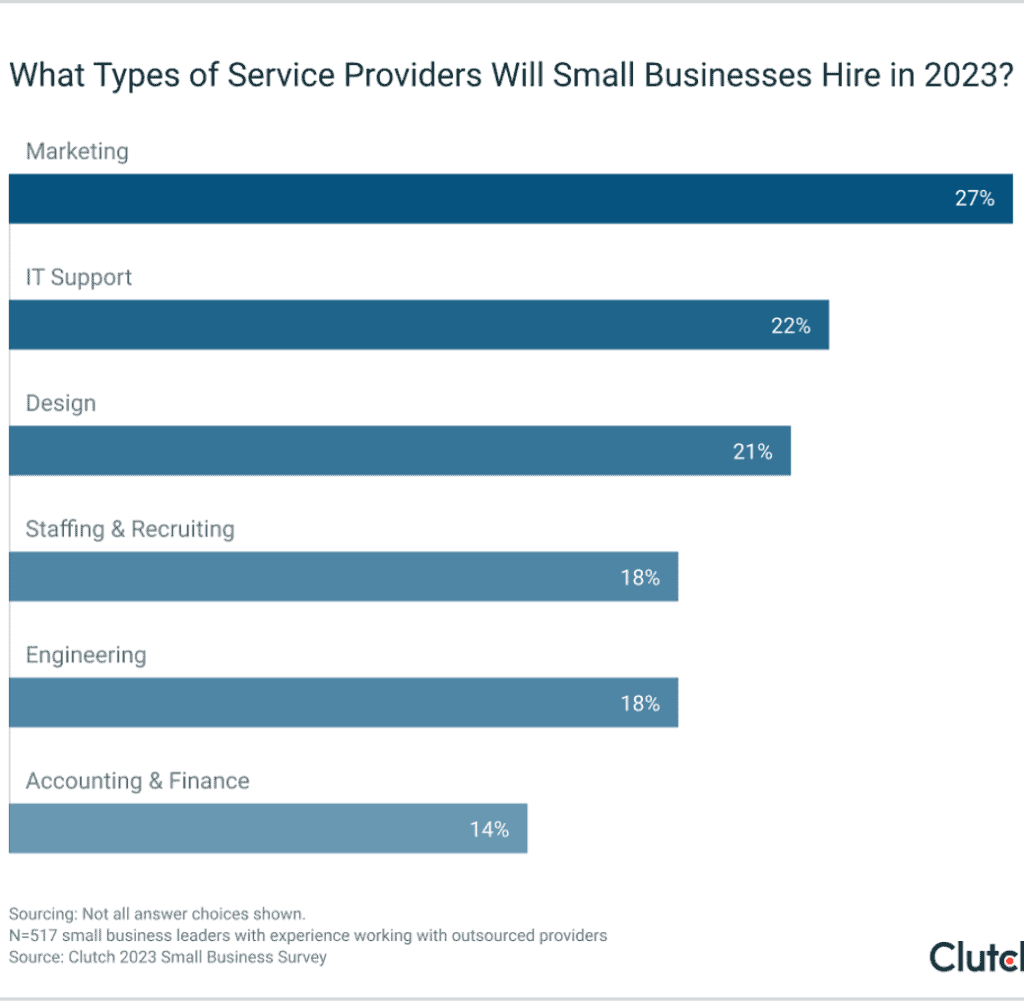
According to the Clutch 2023 Small Business Survey, 27% of small businesses would outsource their marketing that year. The top three specific services they planned to outsource were SEO, content strategy, and PPC.
The reason is simple. Outsourcing your SEO can free you up to focus on growing your business. It’s a classic case of working on your business, not in your business.
#3. You need specialized expertise in technical SEO or backlink building
Some aspects of SEO are highly specialized and go far beyond content and keywords. This is where outsourcing becomes a massive strategic advantage.
Think about large-scale backlink building campaigns. They require a huge network of publisher relationships and proven outreach systems that are incredibly difficult and expensive to build from scratch.
Then there’s deep technical SEO. This isn’t just about fixing a broken link. We’re talking about complex tasks that require an engineering mindset:
- Advanced site audits: Using sophisticated (sometimes AI-driven) tools to analyze crawl logs, identify indexation problems, and manage crawl budget.
- Structured data implementation: Going beyond basic schema to map out complex product, event, or organizational data for rich results.
- Site architecture improvements: Restructuring your website’s layout and internal linking to improve crawlability and authority flow.
- Core Web Vitals optimization: Diagnosing and fixing LCP, INP, and CLS issues to improve site speed and user experience.
- International SEO: Correctly implementing hreflang tags and managing different country-level domains or subfolders.
This level of expertise is hard to find in a single hire and often requires a dedicated specialist. It’s precisely why outsourcing link building and technical SEO audits is so common.
A la carte or full service? What to outsource
Don’t get me wrong. I’m not trying to convince you to fire your SEO team.
One of the great things about outsourcing is that it’s not an all-or-nothing proposition. You can choose to outsource your entire SEO strategy, or you can pick and choose the services that make the most sense for your business. Here are a few of the most common SEO services that our clients choose to outsource.
Foundational SEO: Keyword research and content creation
Keyword research and content creation are the backbone of any effective SEO strategy. However, doing it right is incredibly time-consuming and requires a specific skill set that extends far beyond just writing.

This isn’t just about finding one or two high-volume keywords. An agency team digs deeper. A specialized SEO service provider will:
- Map topic clusters: Instead of one-off posts, they build a comprehensive content map. This “topic cluster” model positions your site as an authority by linking a main “pillar” page to many related “cluster” articles.
- Find high-ROI keywords: They uncover long-tail, low-competition keywords that your in-house team might miss, capturing high-intent website traffic that’s closer to converting.
- Analyze search intent: They figure out why a user is searching for a term, ensuring the content you create actually solves their problem.
Outsourcing also solves some of the biggest content challenges:
- Publishing consistency
- Keyword targeting
- Quality
An SEO agency brings a full production team made up of:
- Subject matter experts (SMEs)
- Content strategists
- Editors
Furthermore, they all follow a strict editorial calendar. This means you’re not just getting an article; you’re getting a high-quality, deeply researched, and well-edited piece published on a predictable schedule.
Finally, agencies bake on-page optimization into every piece. This includes:
- Building a smart internal linking strategy
- Crafting compelling meta descriptions
- Structuring headers (H1s, H2s)
- Optimizing image alt texts
In short, by outsourcing, you get a full-fledged content engine, not just a freelance writer.
Authority building: Strategic link building and off-page optimization
Link building is one of the most challenging and time-consuming aspects of SEO. It’s also one of the most important. A high-quality backlink profile is a strong signal to Google that you’re an authority in your niche and a trustworthy source.
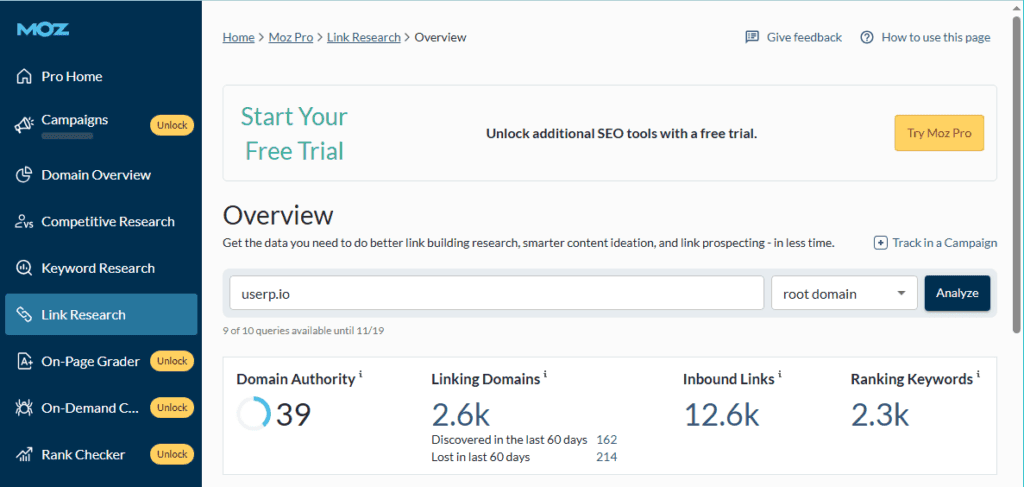
At uSERP, we’ve spent years building relationships with top-tier publishers (like Monday, Remote, and Glassbox) and developing a proven process for acquiring high-quality backlinks at scale. If you’re serious about building your website’s authority, outsourcing your link building is a no-brainer.
For more on this topic, check out our post on choosing the best link-building outsourcing partner.
Website health: Technical SEO audits and on-page optimization
A technically sound website is the foundation of any successful SEO strategy. However, with Google’s ever-changing algorithm, it can be tough to keep up with all the latest best practices. That’s where a technical SEO audit comes in.
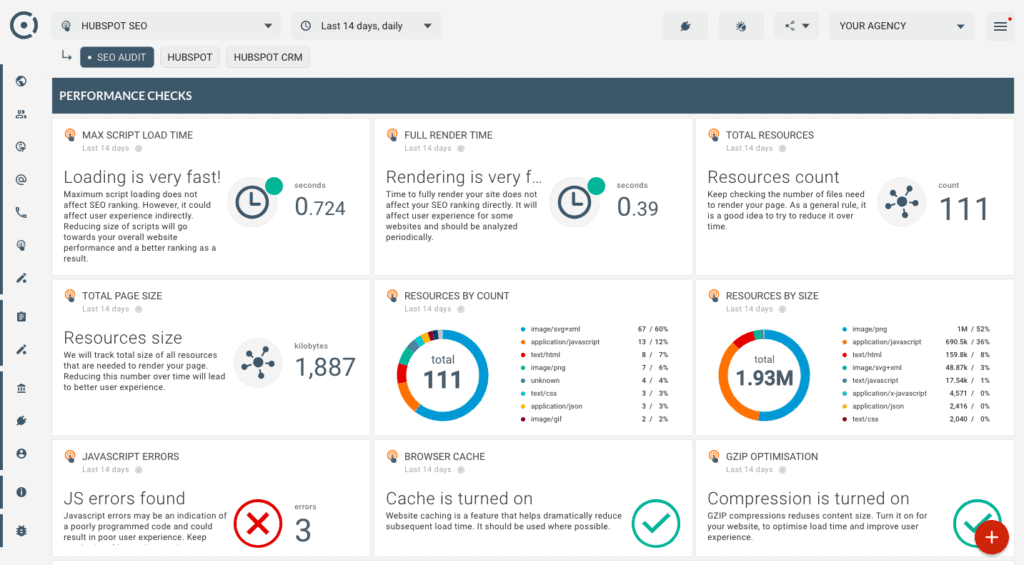
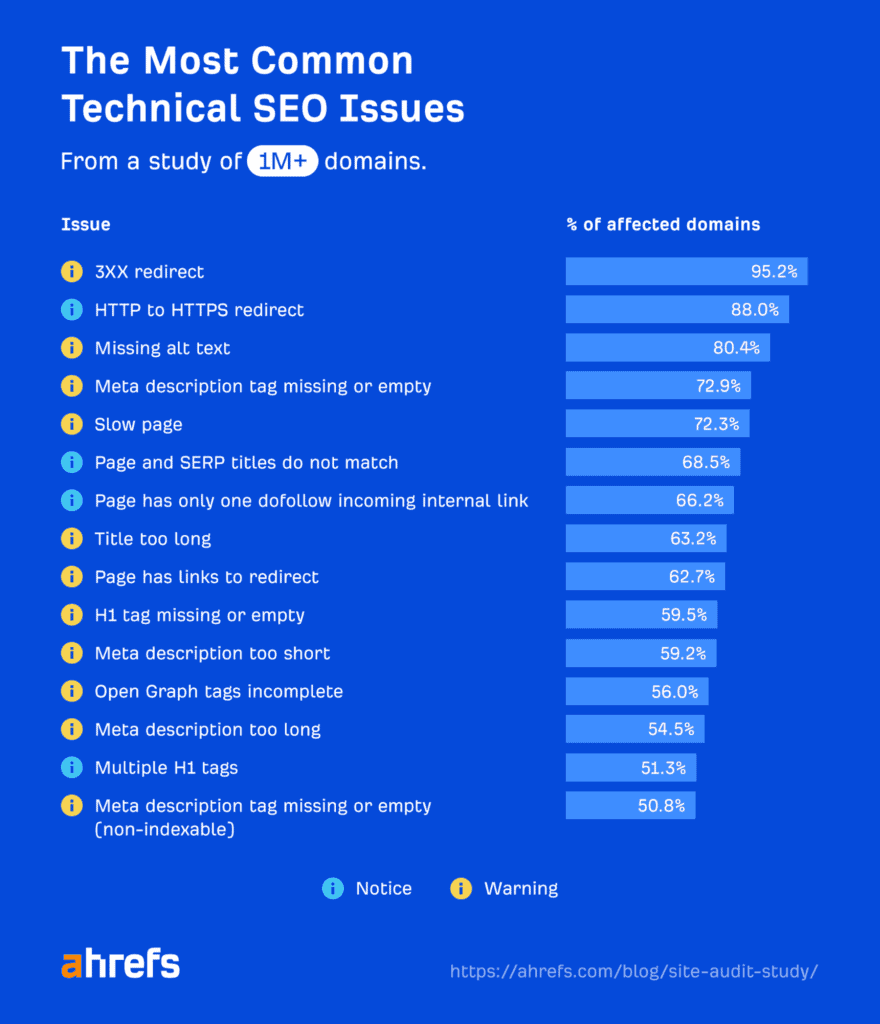
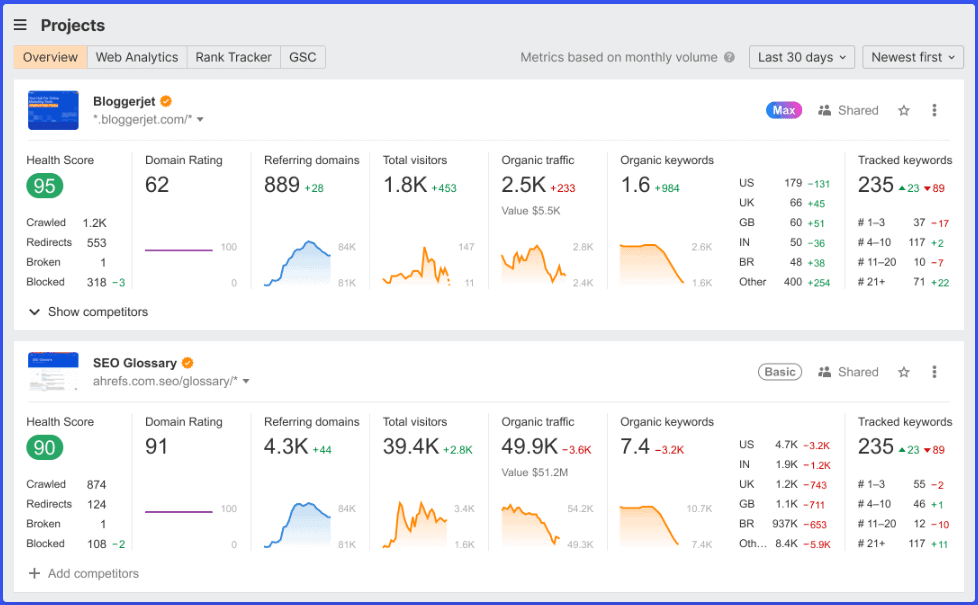
That said, a technical SEO’s work is often cyclical, so hiring a full-time position may not be in your best interest. An experienced agency can provide that expertise when you need it and work with your dev team to implement the necessary fixes.
Hyperlocal targeting: Local SEO and Google Business Profile management
For brick-and-mortar businesses, local optimization is a must. However, managing citations, reviews, and your Google Business Profile in Google Maps can be a full-time job in itself.
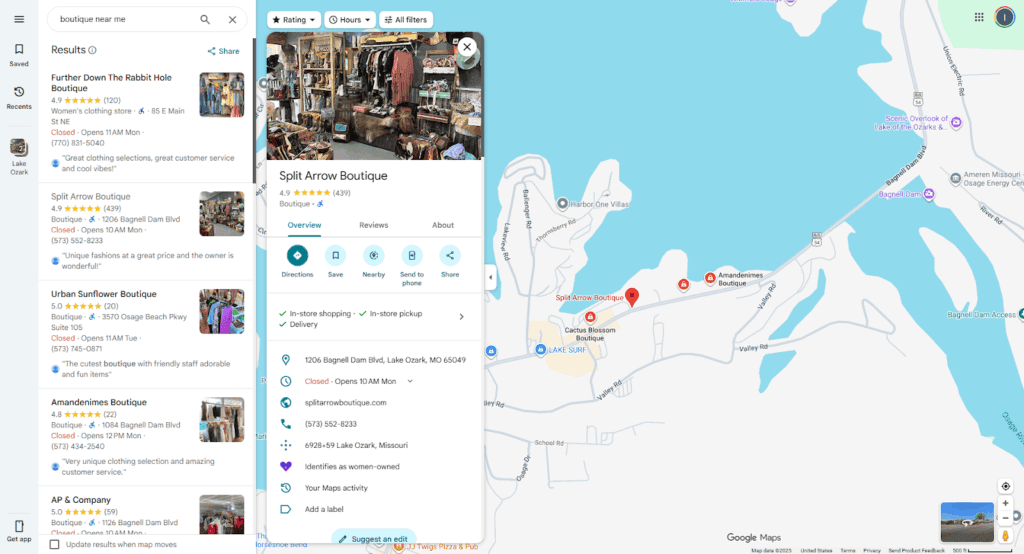
By outsourcing your local SEO to an agency, you can ensure that your business appears in front of local customers who are ready to buy.
When to keep it in-house: Clear cases where outsourcing may not be the best option
As much as I believe in the power of outsourcing, I’ll be the first to admit that it’s not the right choice for every business. Here are two clear cases where it may be best to keep things in-house.
You’re a bootstrapped startup on a shoestring budget
If you’re a pre-revenue or bootstrapped startup with a very limited marketing budget, investing in a premium agency might not be the best use of your capital. In this case, it’s better to focus on foundational, DIY SEO efforts until you have more resources to invest.
Your core product is an SEO tool or service
This one is a no-brainer. If your primary business is selling SEO tools or services, you need to have that expertise in-house. Your own team is your best product and user, and outsourcing your marketing would send the wrong message to your customers.
How to find the right SEO partner and avoid the pitfalls
Once you’ve decided to outsource SEO (or a part of it), the next step is to find the right partner. Here are a few key factors to consider when vetting potential agencies.
Look for transparent reporting and an SEO dashboard
A good SEO partner will be completely transparent about their process and their results.
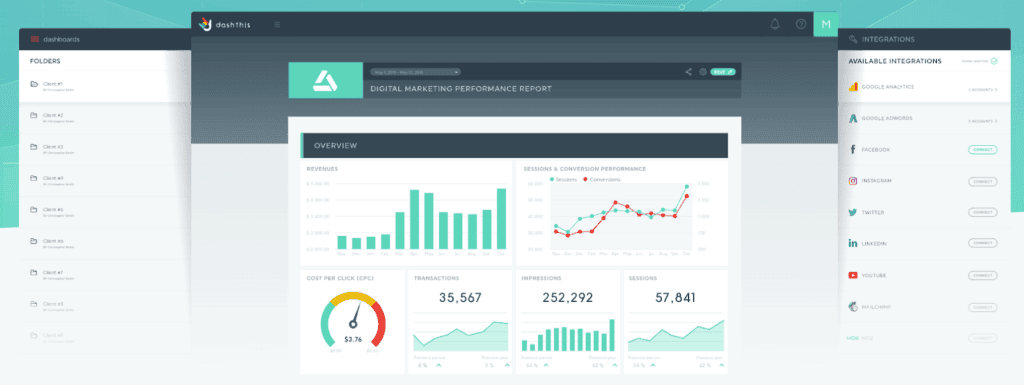
They should provide you with regular, easy-to-understand reports that tie their efforts directly to your business goals. They should also give you access to a live SEO dashboard (at least Google Search Console) or rank-tracking tools where you can track your progress in real-time.
Prioritize communication and SEO partner access
The client-agency relationship should be a true partnership. You should have a dedicated point of contact who is:
- Always available to answer your questions
- Responsive
- Proactive
You should also have regular strategy sessions to ensure that every team member is aligned on the goals and the plan to achieve them.
Making the right choice for your business in 2026
At the end of the day, the decision to outsource SEO is a personal one. There’s no one-size-fits-all answer, and what works for one business might not work for another. The good news is that you have plenty of options, whether you choose to outsource the full SEO pipeline or just a part of the process.
If you’re looking to outsource SEO or link building, uSERP is here to help. Book an intro call now to learn what’s possible with a true SEO partnership.